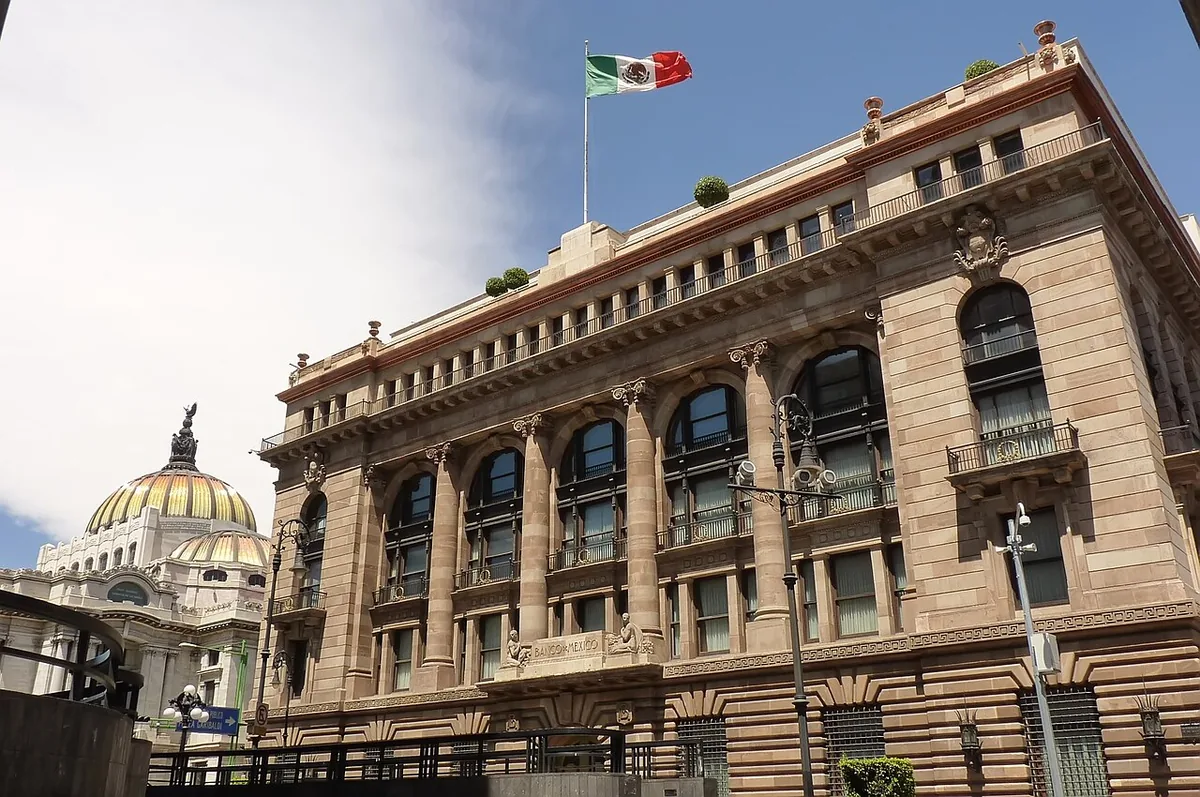
Family remittances grew 3.1% during the first seven months of the year, though currency appreciation continues to diminish their domestic value.
By Staff Reporters, Puente Libre Wire | The News México
KEY TAKEAWAYS
- Remittances to Mexico grew 3.1% during the first seven months of the year.
- Data from Bank of Mexico (Banxico) shows July remittances rose 3%, marking six consecutive months of growth.
- The appreciation of the Mexican peso has reduced the actual purchasing power of dollar-denominated transfers for recipient families.
Family remittances flowing into Mexico increased by 3.1% during the first seven months of the year, according to data released by the central bank. However, the continued strength of the Mexican peso against the U.S. dollar has significantly reduced the actual purchasing power of these funds for recipient households.
Data published by the Bank of Mexico (Banxico) shows that incoming remittances maintained an upward trajectory, logging a 3% increase in July alone and marking six consecutive months of gains. Despite the positive volume figures, financial analysts and reports from publications like Forbes México and El Universal highlight a persistent paradox. The appreciation of the Mexican currency—colloquially dubbed the “super-peso”—means that families converting dollars into pesos receive fewer local funds per transfer than they did in previous years. This currency dynamic places mounting pressure on millions of households across Mexico that rely heavily on financial support from relatives working abroad, primarily in the United States. While the gross flow of capital remains robust, the effective economic relief at the household level fails to match the headline growth percentages. Economic observers will closely monitor Banxico’s upcoming monetary policy decisions and exchange rate fluctuations to gauge how foreign transfers will impact domestic consumer spending through the remainder of the year.
LOCAL CONTEXT & ACRONYM GUIDE
- Banxico (Bank of Mexico) – The country’s central bank and monetary authority.